The Emotional Brain: A Canary in the Coal Mine
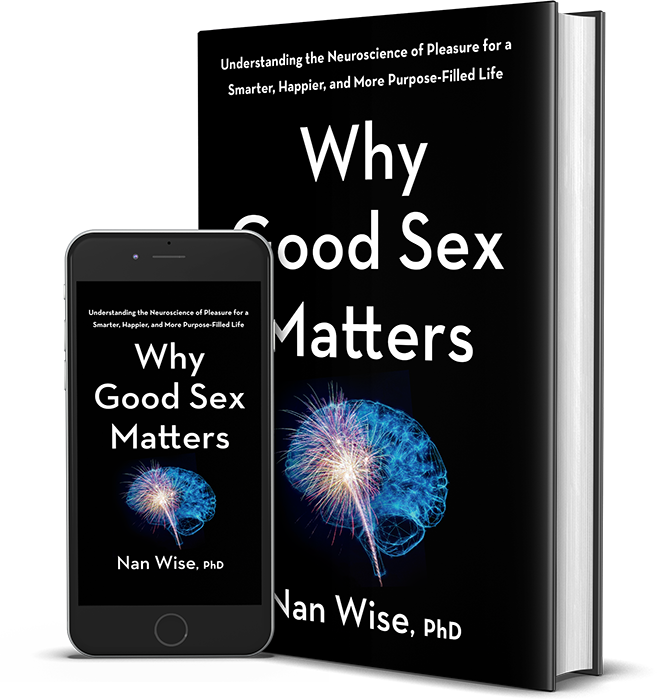
When I first began writing about the emotional brain for my book, Why Good Sex Matters, I approached it through the lens of sexuality because sex, desire, and pleasure are vivid reflections of our inner emotional life. Over time, I’ve come to see that how we experience pleasure, handle stress, and connect to others all arise from the same emotional architecture. Our struggles with joy, motivation, or intimacy are the canary in the coal mine—our brain’s way of signaling imbalance.
Today, that imbalance has become almost universal. We are living through what I’ve come to call the Traumademic—a convergence of chronic societal distress and the personal wounds, losses, and fears that this prolonged crisis has only made worse. Many people speak of feeling “revved up” yet emotionally numb, pulled between anger, anxiety, despair, and exhaustion. To understand why, we need to look beneath the surface of the brain/mind’s newer evolutionary operating systems—the top brain/mind (Neocortex), responsible for our executive systems, and the mid-level brain/mind, our learning and habit-making equipment, to the ancient emotional “basement” level of the mind/brain.
The Traumademic: When Collective Crisis Collides and Inflames Personal Pain
The last few years have brought a constant undercurrent of uncertainty—pandemics, social fractures, and economic worry. The Traumademic represents the merging of social upheaval with our private stress and trauma histories. Our FEAR circuits stay activated, our RAGE defenses flare, and our PANIC/GRIEF/SADNESS system—wired to preserve connection—keeps sounding alarms as we feel more isolated than ever.
None of this means we’re broken. These are ancient survival systems doing exactly what they were designed to do: protect us. The problem lies in their chronic activation. Emotional regulation begins not with judgment but with awareness of what is out of whack, so we can take steps to rebalance the core emotions.
The Brain’s Basement: The Seven Core Emotional Systems
The late neuroscientist Jaak Panksepp mapped seven core emotional systems in the deep subcortical brain: SEEKING, FEAR, RAGE, PANIC/GRIEF/SADNESS, LUST, CARE, and PLAY. These are not metaphors—they are hard‑wired neural circuits found across mammals. They produce the primal feelings that shape every choice, relationship, and behavior, forming the emotional “operating system” for human life. Imbalances of the core emotions can hijack the brain/mind and result in
You can think of these as the primary colors of emotion—basic patterns of energy and motivation that combine to create the full spectrum of human feeling. When in healthy balance, they help us navigate the world, connect with others, and pursue what we need for survival and meaning. When they fall out of balance—through trauma, chronic stress, or emotional neglect—we lose access to vitality, pleasure, and a sense of safety.
SEEKING: Restoring the Drive to Engage
The SEEKING system, fueled by dopamine (and too often hijacked by how we use our devices), motivates exploration and purpose—it’s the brain’s engine for curiosity, learning, and progress. When life feels unpredictable or overwhelming, dopamine production drops, and we lose energy, focus, and enthusiasm. Others swing the opposite way, staying endlessly busy, chasing distraction after distraction, but never satisfied.
Both extremes signal dysregulation. True SEEKING feels like guided curiosity, not hypervigilance. Rebuilding it starts small: setting meaningful goals, pursuing novelty with purpose, or reconnecting to creative practice. Each moment of healthy engagement tells the brain, “You’re safe to move forward.”
Defensive Systems on Overload: FEAR, RAGE, and PANIC/GRIEF/SADNESS
The defensive circuits evolved to save our lives. FEAR prepares the body to flee danger. RAGE defends boundaries. PANIC/GRIEF/SADNESS is wired to connect us to others to avoid the pain of separation. It signals the need for comfort and bonding. Yet in an era of isolation and loss, this system can dominate, pulling many into cycles of loneliness and despair.
But in the Traumademic, these circuits rarely shut off. Continuous alarm signals flood the nervous system, keeping cortisol high and pleasure low.
Chronic FEAR erodes sleep and concentration. Overactive RAGE appears as road rage, online outrage, or rigid self‑criticism. Prolonged PANIC/GRIEF/SADNESS can slide into despair or clinical depression. The way back isn’t suppression but recalibration—slowing breath, noticing physical tension, reconnecting with the present. Even short moments of grounded awareness interrupt the brain’s defensive cascade.
The Healing Triad: CARE, PLAY, and Connection
If the defensive emotions keep us alive, the social emotions help us live well. The CARE system—powered by oxytocin and endogenous opioids—creates feelings of warmth, empathy, and belonging. It’s what allows both nurturance of others and self‑soothing. When we lose access to self-CARE, we often become overly attuned to others’ needs but unable to comfort ourselves.
PLAY, meanwhile, revitalizes the nervous system. Its laughter, movement, and spontaneity counteract the contraction of fear. Play teaches flexibility and trust. Yet adults frequently suppress it, believing it to be frivolous or unproductive. The safety required for PLAY to emerge signals deep regulation. Moments of humor or shared joy rewire the stress response more effectively than constant vigilance ever could.
Connection, through CARE and PLAY, restores psychological safety—reminding the brain that it no longer needs to defend itself at every turn.
LUST Reimagined: The Energy of Aliveness
LUST, too often reduced to sexuality, is at its core a drive for vitality and connection—the urge to merge with life itself. Balanced LUST energy fuels creativity, intimacy, and a sense of embodied presence. When it’s suppressed through fear, shame, or exhaustion, our world feels colorless; when it dominates, it becomes compulsive.
Reawakening LUST is less about eroticism and more about embodiment: movement, affection, music, art. Reconnecting with the body communicates to the emotional brain that pleasure and safety can coexist. It reignites the will to live fully rather than merely cope.
Emotional Regulation as Dynamic Balance
Emotional regulation begins with awareness. When these core emotional systems are out of whack, they can hijack our cognitive processes and decision-making in ways that can lead to substance abuse, psychological disorders, relationship disasters, self-sabotage, and even result in one of the most dangerous addictions of all–revenge addiction, as recently documented.
Regulation is not emotional control—it’s fluidity. The goal is to let all the core systems work together instead of allowing one to dominate. When SEEKING, CARE, and PLAY are active, they naturally calm FEAR, RAGE, and PANIC/GRIEF/SADNESS. Practices like rhythmic breathing, soothing touch, mindful movement, and supportive relationships act as tuning forks for the nervous system, shifting us from a state of defense to one of balance.
In a state of balance, we can feel fear without panic, anger without destruction, grieve without collapse. The emotional brain reclaims its natural rhythm—protection and connection working hand in hand.
From Survival to Thrival
The capacity for pleasure, curiosity, and joy is the hallmark of a balanced emotional brain. When our core systems regain harmony, SEEKING restores motivation, CARE deepens empathy, PLAY invites creativity, and even the defensive emotions operate in proportion. We stop living on high alert and start living with purpose.
The Traumademic has revealed how deeply interconnected we are—biologically and socially. Emotional regulation is not a solo project; we regulate best in connection. Shared laughter, compassion, and even quiet presence with another nervous system help reset our own.
Pleasure and play are not distractions from crisis; they’re signs of recovery. They tell us the canary is singing again, and the emotional brain has found its way home.