As this year draws to a close, I find myself reflecting on just how hard it has been. I’ve written openly about my own anxiety and anhedonia—the difficulty experiencing pleasure—shaped by a challenging childhood and intensified by profound life changes. In the past two years, both of my parents died (good grief, indeed), while a wave of new grandchildren arrived—deeply joyful events that were also destabilizing and demanding. These parallel experiences reminded me, once again, that I teach what I most need to learn.
At the same time, we are living in a culture saturated with anger, grievance, and revenge addiction—a very real phenomenon fueled by hate speech, polarization, and outrage-driven media. Add to that the endless barrage of high-stimulation, engagement-maximizing (anti)social media, and it becomes clear: our emotional and nervous systems are under siege.
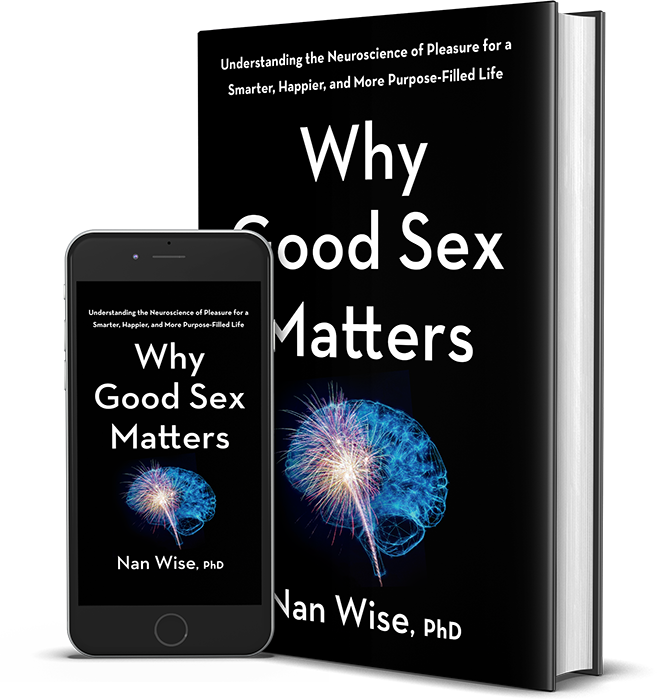
This is why rebooting our pleasure brains is no longer a luxury—it is an urgent act of self- and collective care. Pleasure is not frivolous. It is regulatory. It is grounding. It is essential for emotional wisdom. That urgency is why I wrote Why Good Sex Matters, and why I’m writing this now.
In this post, I would like to offer some guidance on how to begin pleasure practices that actually stick.
Why Resolutions Fail—and What to Do Instead
Every New Year, we resolve to do better: eat better, drink less, exercise more, work harder—fill in the blanks. I have written previously about how New Year’s resolutions can backfire. We white-knuckle these intentions for weeks or months, then inevitably slide back into old habits. The result? Shame, self-criticism, and a renewed cycle of comfort-seeking to manage the distress of “failing.”
Our internal critics double down: Try harder. Do more. Be better. The result? We land in an exhausting loop of stress begetting distress begetting more frantic doing, which only deepens the problem.
What I’m proposing—for myself and for you—is something radically different.
It’s time to hit the reboot button and prioritize pleasure as a well-being practice—one that feels good and is good for you. I call this healthy hedonism, and it’s the foundation of a new project I’m birthing: The Wellness Collective, devoted to reclaiming pleasure as medicine.
What Pleasure Is (and Isn’t)
When I talk about pleasure, I’m not talking about having more sex, better sex, or even sex at all. I’m not talking about vacations, spa days, or adding more items to an already overloaded to-do list.
I’m not talking about doing.
As I write in Why Good Sex Matters, one of the most important lessons I’ve learned is that happiness works in the opposite direction than we’re taught. We believe that if we do the right things, we’ll have what we want, and then we’ll finally be happy. But lasting happiness doesn’t come from doing or having—it comes from being. When we cultivate presence, self-connection, and meaning from the inside out, satisfaction follows naturally. The relationship, the job, the house, and the achievements may enrich our lives, but they don’t create happiness. Who we are does.
Pleasure, at its core, is about being.
Being present is a skill that can be cultivated. Being present, with the willingness to accept what is happening in reality without fighting it, denying it, or resisting it, is called radical acceptance. Radical acceptance is the active ingredient in all mindfulness practices and is well worth exploring. This involves being present to your thoughts, feelings, moods, and challenges. (Tolerating and navigating big feelings can become easier with some tools.) Being present with your parents, children, partners, friends, colleagues, and neighbors fosters true connection. Pleasure arises from being connected to your senses, your body, and to others—not just living in your head.
Pleasure is also about being in your truth—about authenticity. Years ago, I read the Radical Honesty series by Brad Blanton, which argues that one of the greatest threats to mental health is our habit of withholding our truths from ourselves and each other.
Simple Pleasure Practices That Matter
Be here now.
Take a shower. Eat a meal. Walk outside and actually be there. Turn off your phone and turn on your senses—your eyes, ears, skin, breath, and body.
Be authentic.
Speak your truth while remembering that your truth in this moment is not The Truth—and that it will likely change over time. We often withhold honesty to protect others, avoid discomfort, manipulate outcomes, or maintain control. The cost is disconnection—from ourselves and from those we care about most. When we allow ourselves to ventilate our thoughts, feelings, judgments, and interpretations, we often release resentment, fear, anger, and shame. As Blanton notes, what we often fear more than the pain of disconnection is the intensity of pleasure and freedom that comes from being fully expressed, fully seen, and deeply connected.
Be willing to take relational risks.
You can be both kind and truthful. And if honesty hurts someone’s feelings, be willing to stay—stay present, stay connected, stay engaged. That’s where real intimacy and pleasure live.
In Closing
This New Year, I invite you to move away from do-have-be and toward be-have-do. Let yourself feel your big feelings and share them. Keep things simple. Go back to nature. Spend time inhabiting your body and living your truth.
So, who’s up for the challenge?